
Kenya’s Physical Planning Framework and What It Means for Land Use
1 min read
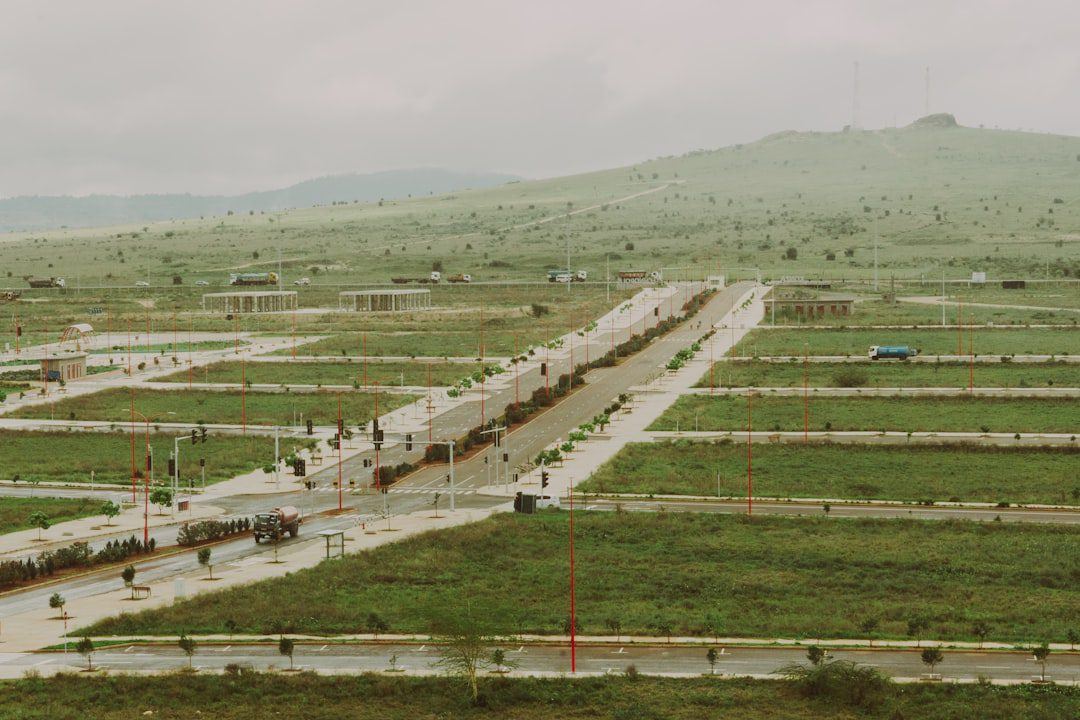
Kenya’s physical and land use planning framework sets the rules for how land can be developed — zoning, minimum plot sizes, and permitted uses all trace back to this framework, administered largely at the county level.
What the Framework Covers
National and county physical planning laws establish how land is zoned (residential, agricultural, commercial, mixed-use), set standards for subdivisions and developments, and govern the approval process for building plans — the same approvals covered in our building permits guide.
Why Zoning Matters Before You Buy
A plot zoned for agricultural use may restrict residential development, or require a formal change of use application before you can build a home — see our related guide on the land use and change of use process. Buying with a specific intended use in mind means confirming zoning matches that plan before purchasing, not after.
County-Level Variation
Since counties administer much of this framework locally, specific rules — minimum plot sizes, setback requirements, permitted uses — can vary from one county to another. Always confirm current requirements with the specific county your plot falls in, rather than assuming uniform national rules.
How This Connects to Subdivision
Physical planning approval is a required step in the broader land subdivision process, meaning properly subdivided, titled plots have generally already cleared this layer of scrutiny.
Bottom Line
Understanding a plot’s zoning and planning status before purchase prevents the frustrating scenario of buying land that can’t legally be used the way you intended.