
Land Subdivision Process in Kenya: A Step-by-Step Guide
2 min read
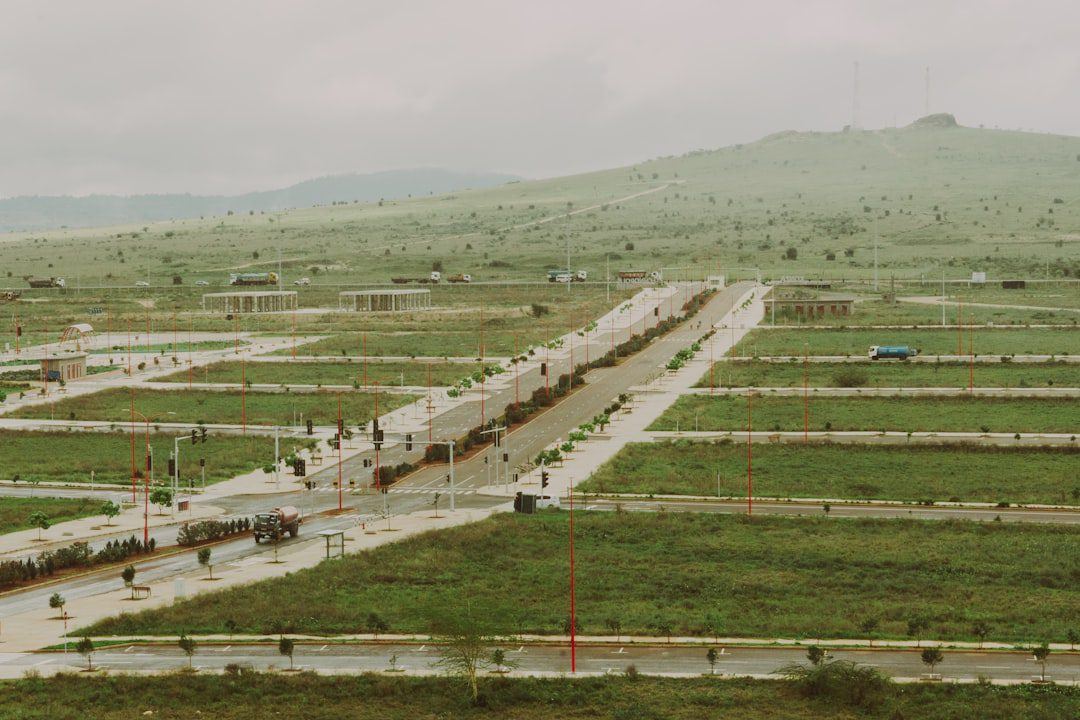
Most disputes over subdivided land trace back to the same root cause: someone bought a “plot” that was really just a promise, sold off a parent parcel before the legal subdivision process had actually finished. Understanding how subdivision really works is the fastest way to tell a genuine, titled plot from a promise still waiting to become one.
1. Obtain the Mother Title
Subdivision starts from a single, registered parent parcel. Before anything else, that parent title must be clean and free of unresolved disputes or encumbrances — a subdivision built on a contested mother title inherits all of that title’s problems.
2. Engage a Licensed Surveyor
A registered land surveyor prepares a subdivision scheme — a technical plan showing how the parent parcel will be divided into individual plots, including access roads and any shared infrastructure.
3. County and Planning Approval
The subdivision scheme is submitted to the relevant county physical planning department for approval, which considers zoning, minimum plot sizes, and infrastructure requirements like road reserves.
4. Survey and Beaconing
Once approved, the surveyor conducts the actual field survey, placing beacons that mark the physical boundaries of each new plot. Our guide on how surveying and beaconing works covers this step in more detail.
5. Registration of New Titles
The Director of Surveys approves the final plans, and new, individual title deeds are issued for each subdivided plot at the relevant Land Registry — replacing the single mother title with multiple standalone titles.
A Worked Example
A developer buys a five-acre parcel intending to create twenty quarter-acre plots. Between the purchase and the twenty individual titles being issued, there’s a window — sometimes months, sometimes years — where the land is technically still one undivided parcel. A buyer who pays a deposit and moves in during that window is, legally, buying a fractional interest in the whole five acres, not a specific quarter-acre. If the developer stalls, or oversells, that buyer has far less protection than someone who waited for individual titling to complete.
A plot that has completed this full process, with its own registered title, offers far more certainty than one still being sold off an unsubdivided mother title — a common source of disputes when multiple buyers are promised portions of the same parent parcel before individual titles exist.
Why This Matters to Buyers
Always confirm which stage a subdivision is at before paying a deposit, and see our related guide on verifying a title deed.
FAQ
Is it ever safe to buy before subdivision is fully complete?
It carries meaningfully more risk. If you do, get written, legally reviewed terms specifying exactly what happens if subdivision stalls or takes longer than promised.
How long does the full subdivision process typically take?
It varies by county and complexity, but buyers should expect months rather than weeks for a straightforward subdivision, and longer for larger or disputed parcels.
Famyard’s Standard
Famyard Enterprises’ developments go through this full process before plots are marketed, so buyers deal with individually titled land rather than a share of an undivided parcel.