Nanyuki & Naru Moru: The Mount Kenya Land Boom Explained
3 min read
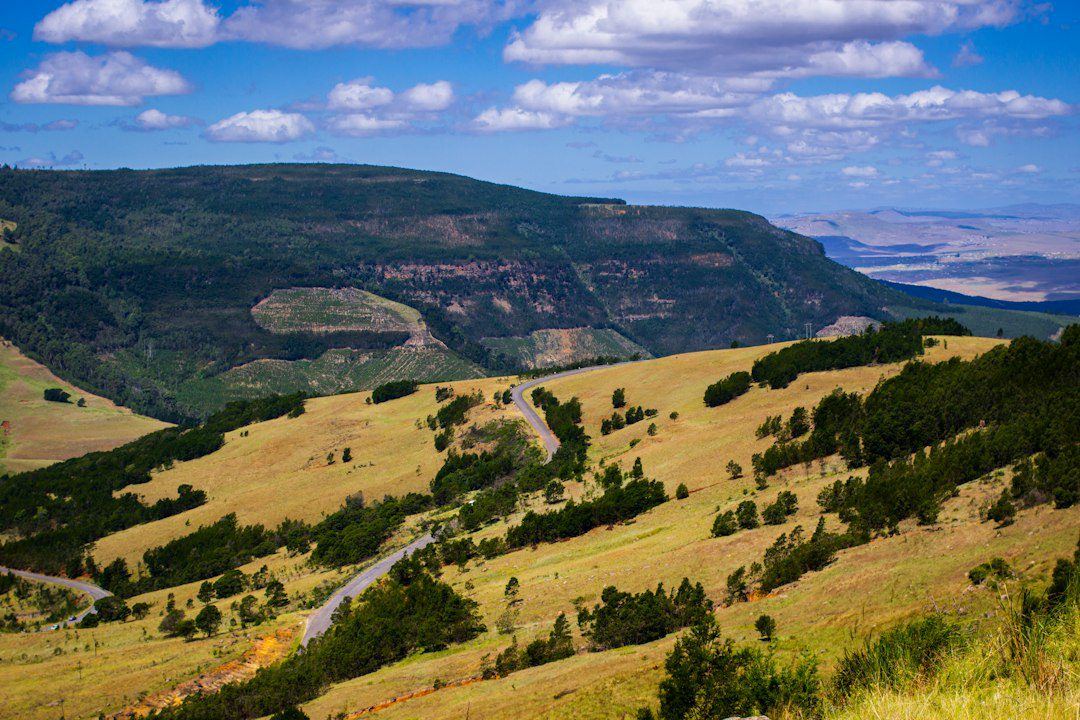
Ask a Nairobi-based investor to name a Mount Kenya town and most will say Nanyuki before anything else. Ask why, and the answers get vaguer — “it’s growing,” “it’s near the mountain.” The real story is more specific than that, and it explains why Naru Moru, twenty minutes down the road, tells a very different story despite sharing the same mountain.
Nanyuki: A Town That Outgrew Its Reputation
Nanyuki started as a garrison and safari-stopover town. What’s changed is the breadth of what now supports its economy: a military presence, an operating airstrip, a retail and hospitality scene that keeps expanding, and steady tourism traffic heading into Mount Kenya National Park and the Laikipia conservancies. That diversification matters more than any single driver — it means Nanyuki’s land market doesn’t rise or fall on one industry’s fortunes.
Naru Moru: The Quieter Bet
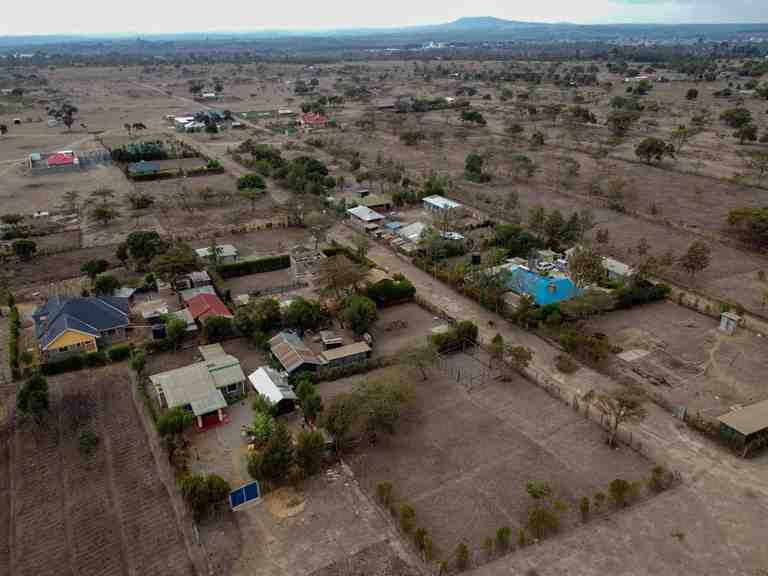
Naru Moru is smaller, more agricultural, and known chiefly as a climbers’ gateway and for its trout-farming heritage. Land here draws a different buyer — someone who wants Mount Kenya proximity and Nanyuki’s amenities within reach, without paying Nanyuki prices for the plot itself.
A Worked Comparison
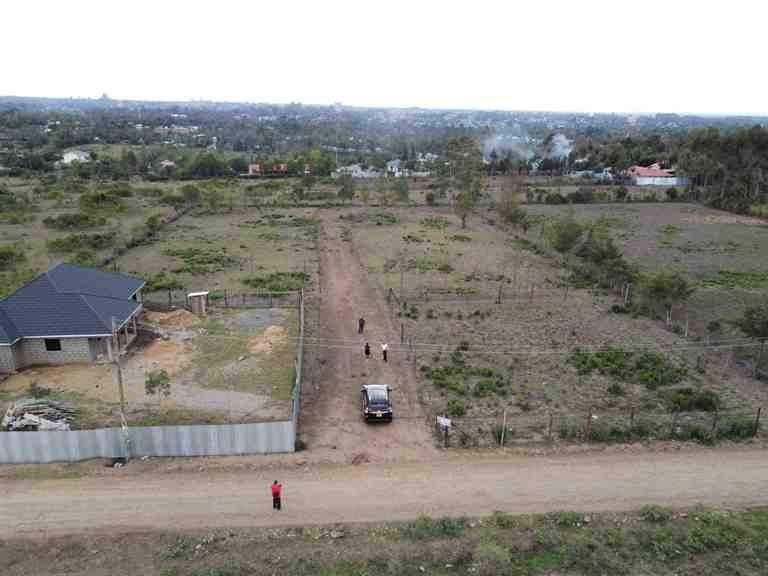
Picture two buyers with the same KES 2 million budget. The first buys a smaller, well-serviced plot inside Nanyuki’s established boundary, paying a premium for immediate amenities and a liquid resale market. The second buys a larger parcel near Naru Moru, betting that Nanyuki’s growth will eventually raise land values along the connecting corridor. Neither choice is wrong — they’re different bets on timing versus certainty.
What Ties the Two Towns Together
- Mount Kenya ecosystem proximity. Both sit close enough to the forest reserve for genuine mountain views and a cooler highland climate.
- Road quality. The A2 and connecting roads through this corridor have historically been better maintained than in more remote parts of Nyeri and Laikipia — see our infrastructure and land value guide.
- A genuinely mixed buyer pool. Local farmers, Nairobi investors, and diaspora buyers all compete for land here, which keeps the market more liquid than single-buyer-type regions.
Higher demand means higher prices. Nanyuki plots typically carry a real premium over comparable land a short drive away — the question worth asking isn’t “is Nanyuki good land?” but “am I paying for growth potential, or for the town’s current popularity?”
What to Verify Either Way
Regardless of which town you lean toward, confirm title status and actual servicing before committing — listings in both towns range from fully serviced to raw land marketed optimistically.
FAQ
Is Naru Moru land a safe long-term bet without Nanyuki’s amenities?
It can be, provided the fundamentals — access road commitments, realistic distance to services — hold up under the same scrutiny you’d apply to any plot, not just goodwill about future growth.
Which town has better resale liquidity?
Nanyuki, generally, given its larger and more diverse buyer pool — a relevant factor if you might need to sell within a few years rather than hold long-term.
Bottom Line
Nanyuki offers proven demand at a price; Naru Moru offers more room to grow at a discount. Both are part of the broader Mount Kenya land story Famyard Enterprises tracks across its Nyeri and Laikipia listings. Browse current plots or call +254 119 222666 to discuss which corridor fits your budget.