The Rise of Gated Plot Communities in Kenya
1 min read
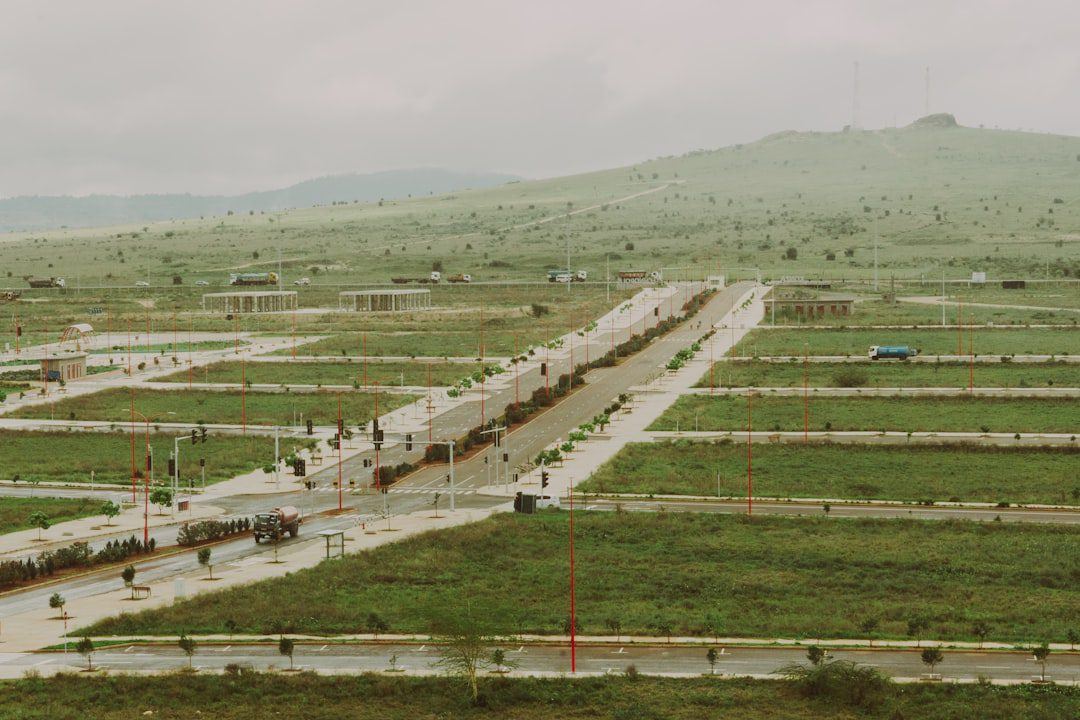
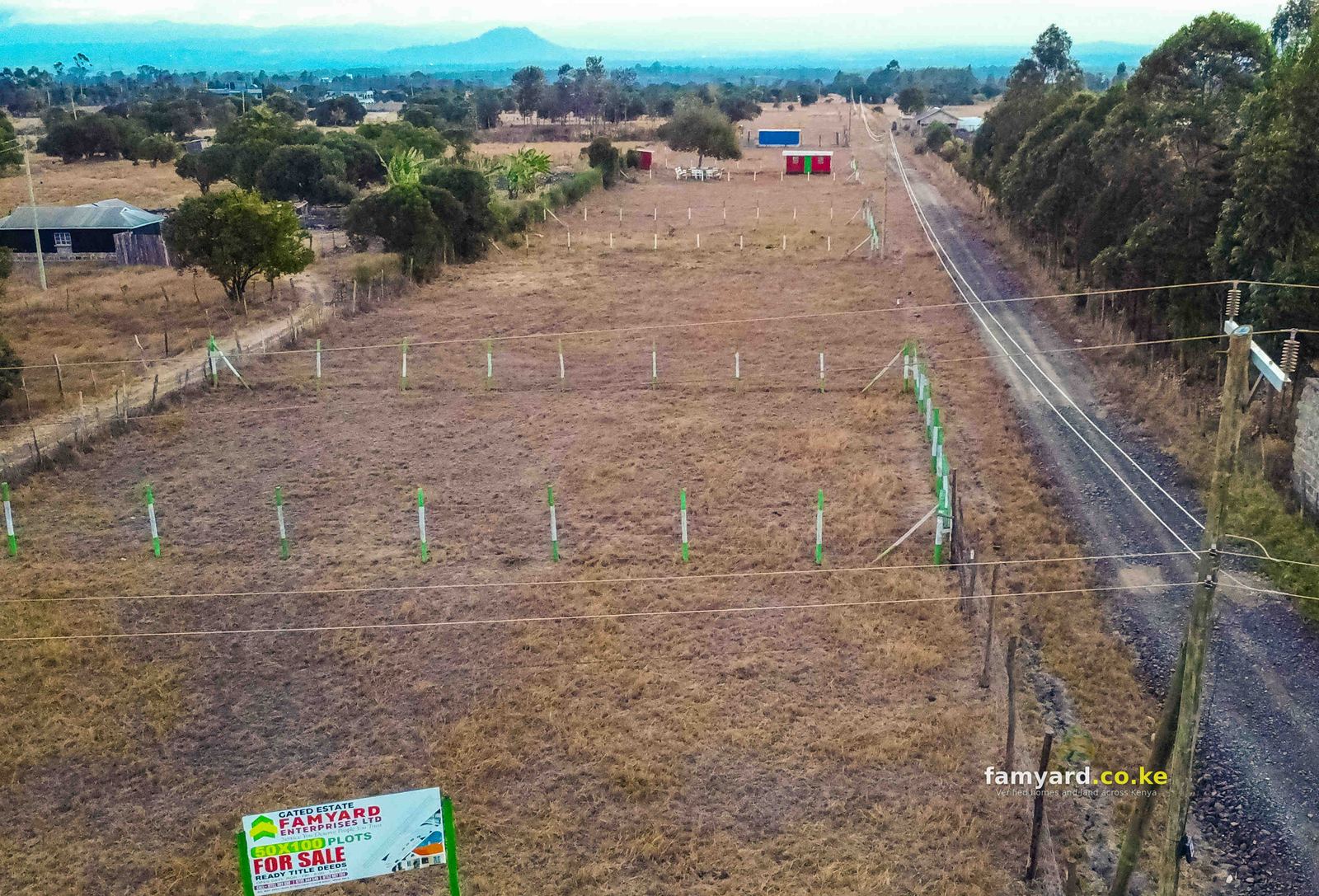
Standalone plots sold individually used to be the default in Kenya’s land market. Increasingly, buyers are choosing gated, managed plot developments instead — a shift worth understanding whether you’re comparing the two formats or wondering why prices differ between them.
What a Gated Plot Community Offers
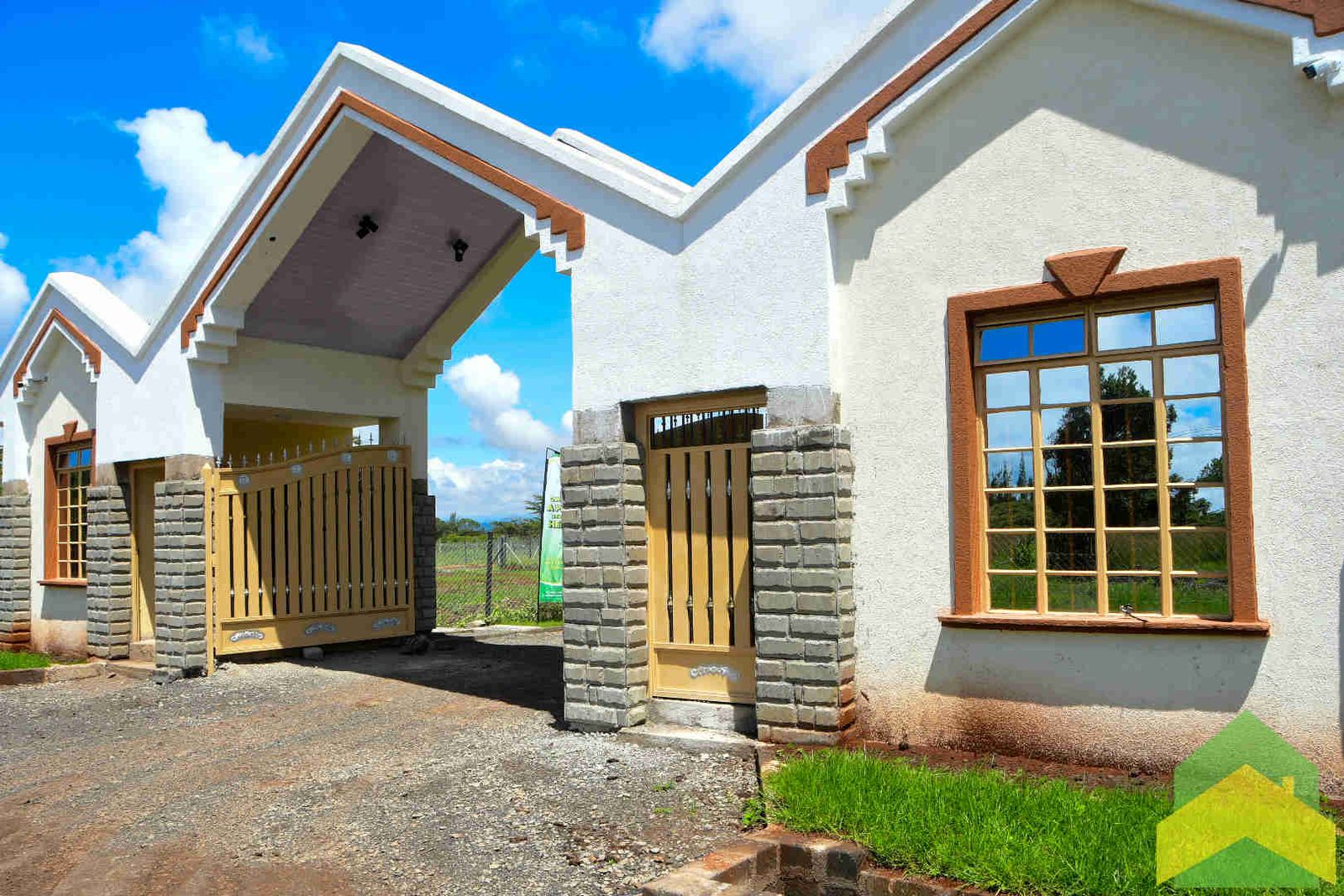
Typically, this means a subdivided development with shared infrastructure already in place — perimeter fencing, security, internal roads, and sometimes shared amenities like a clubhouse or recreational facilities — bundled with individual, titled plots within the development. Our Chaka Ranch Homes example illustrates this format in practice.
Why Buyers Choose This Format
- Security. Perimeter fencing and often controlled access address a common concern with standalone rural plots.
- Predictable neighbors. Buying into a planned community means knowing what surrounds your plot, rather than uncertain future development next door.
- Shared cost of amenities. Infrastructure that would be prohibitively expensive for an individual buyer to install alone becomes affordable when shared across a development.
The Trade-Offs
Gated developments typically cost more per plot than comparable standalone land, and buyers take on the development’s rules and, in some cases, ongoing management or service fees. Buyers should clarify these terms upfront rather than assuming.
How to Evaluate One
Confirm the same fundamentals as any land purchase — title status, servicing completeness — plus development-specific questions about ongoing fees, governance, and what happens if the developer doesn’t complete promised shared infrastructure.
Bottom Line
Gated plot communities trade a price premium for security, predictability, and shared infrastructure — a trade-off that’s clearly resonating with a growing share of Kenyan land buyers.