Serviced vs Unserviced Plots: What’s the Real Difference (and Cost)?
1 min read
Plot listings often advertise land as “serviced” or leave the question unanswered entirely. The distinction matters more than it might seem — it can significantly change your real cost of ownership.
What “Serviced” Typically Means
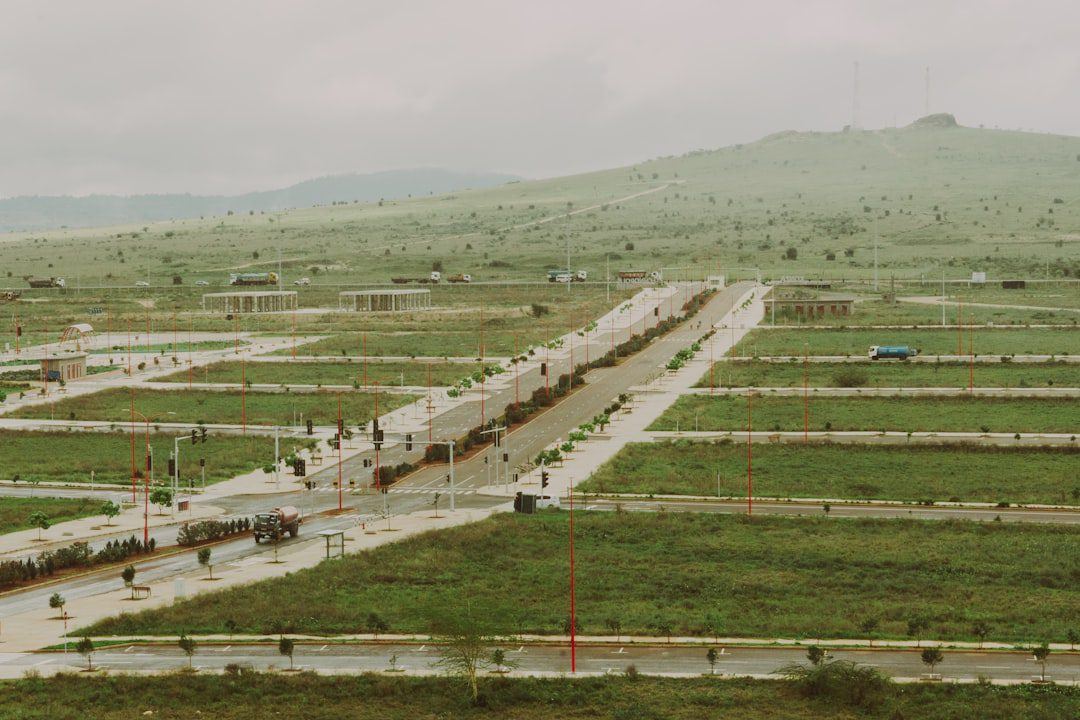
A serviced plot generally has some combination of: an all-weather access road, connection to (or immediate proximity to) electricity, a water connection or reliable borehole/piped access, and sometimes sewerage or drainage infrastructure. The exact combination varies by developer, so it’s worth asking specifically what’s included rather than assuming.
What Unserviced Land Means for You
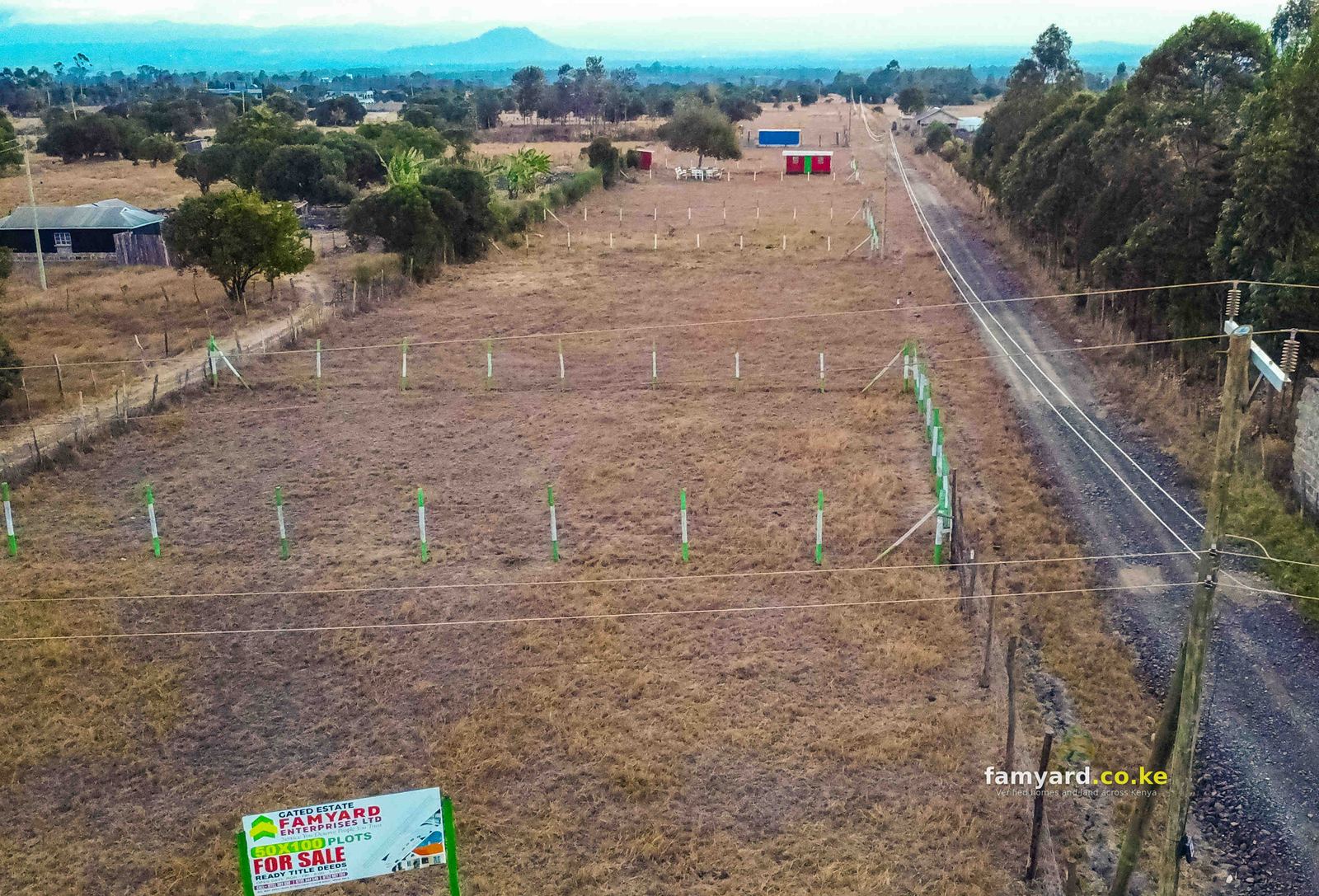
Unserviced or raw land typically costs less upfront but shifts the cost of access roads, power connection, and water onto the buyer — costs that can add up significantly, especially in more remote areas where utility connections aren’t already nearby.
Comparing True Cost, Not Just Sticker Price
- Add connection costs to unserviced land’s price before comparing it directly to a serviced plot’s asking price
- Factor in timeline — serviced plots are usually ready to build on immediately; unserviced land may take months to connect utilities
- Consider resale value — serviced plots generally hold and grow value more predictably since the next buyer inherits the same convenience
How to Confirm What You’re Actually Getting
Ask for specifics — which utilities are connected versus “available nearby,” whether roads are seasonal or all-weather, and whether servicing is complete or still in progress. A site visit will confirm this faster than any brochure.
Famyard’s Approach
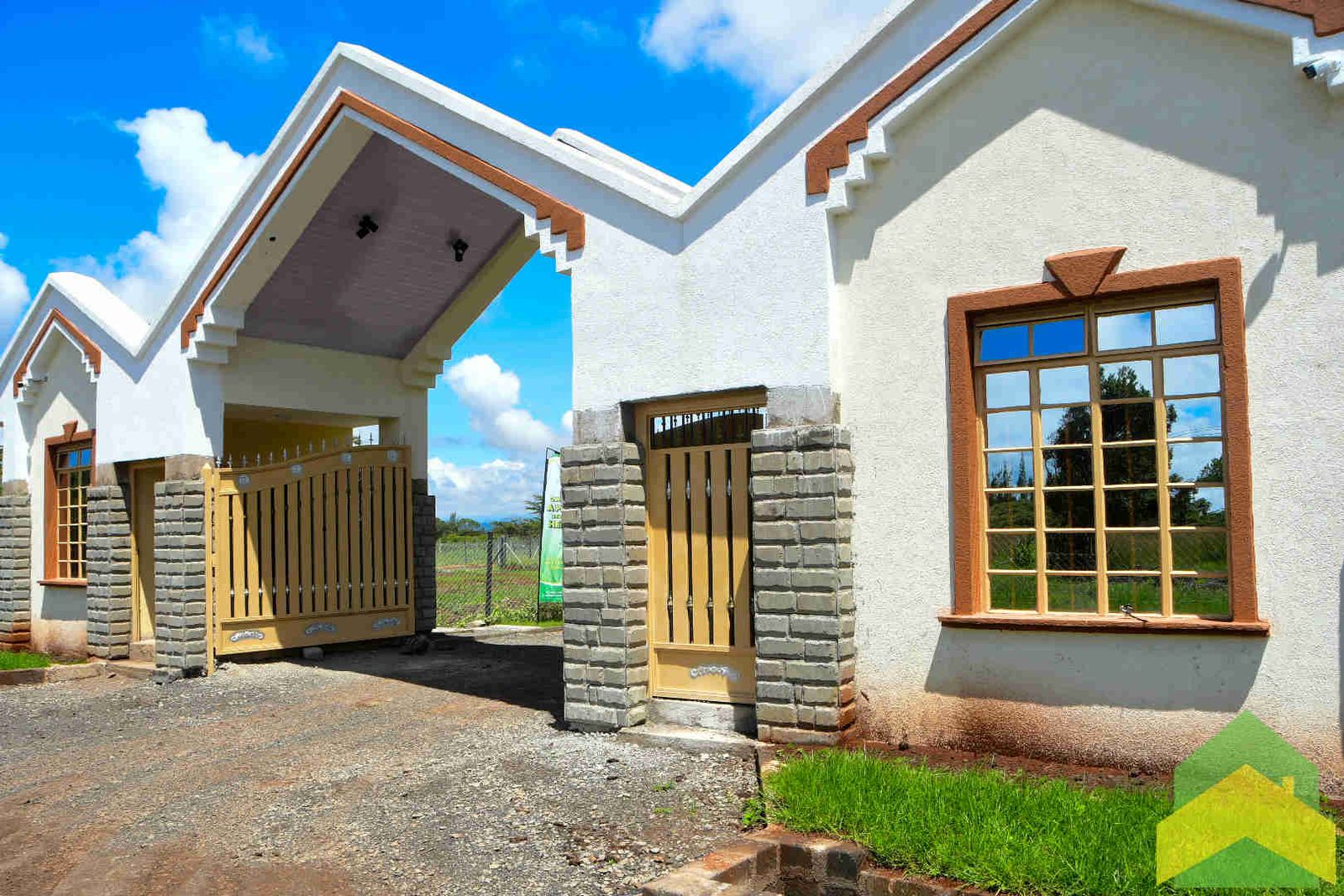
Developments like Chaka Ranch Homes illustrate what full servicing looks like in practice — cabro roads, power and water connections, and drainage in place before plots are sold.
Bottom Line
“Serviced” isn’t just a marketing word — it represents real, quantifiable costs you’d otherwise pay yourself. Always compare like for like.