
Land Prices After Elections: What History Shows
1 min read
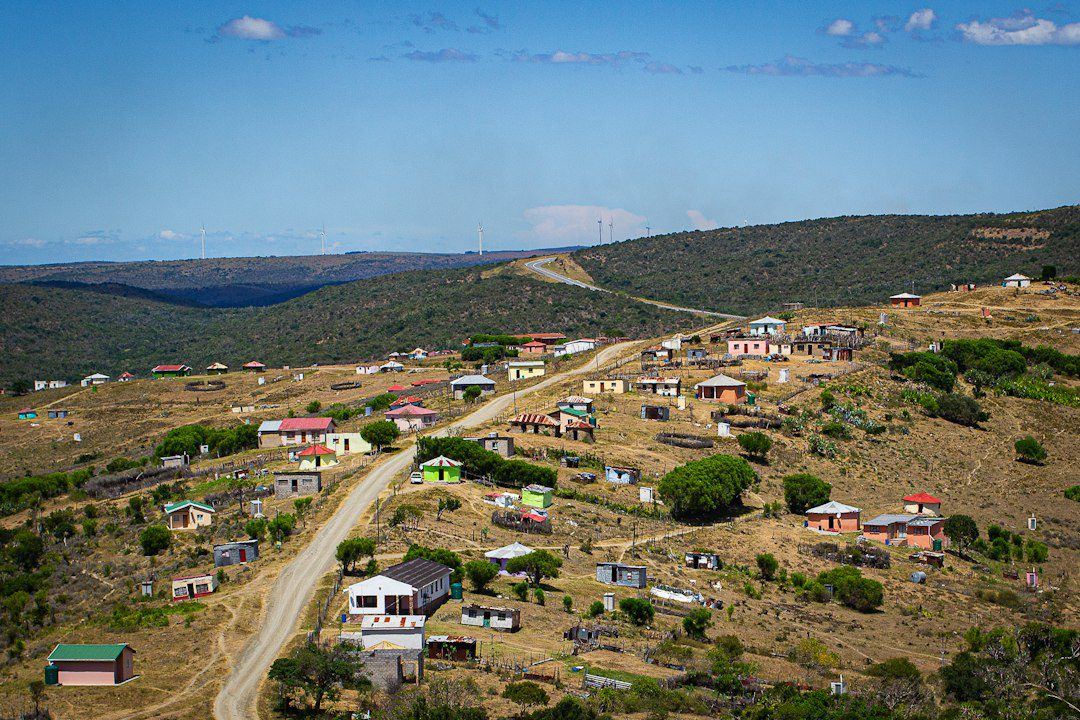
Kenya’s electoral cycle has historically had a noticeable, if temporary, effect on land market activity — a pattern worth understanding whether you’re timing a purchase or a sale around an election period.
The General Pattern
In the run-up to major elections, land market activity in many parts of the country has tended to slow, as buyers and investors adopt a wait-and-see posture amid political uncertainty. This isn’t universal or extreme, but a genuine, observable trend across previous cycles.
Why the Slowdown Happens
- Uncertainty aversion. Buyers often prefer to hold cash rather than commit to major purchases during politically uncertain periods.
- Delayed government decisions. Infrastructure project approvals and county-level decisions can slow during election periods, affecting the growth signals covered in our county government and land value guide.
The Post-Election Pattern
Historically, once political uncertainty resolves, land market activity has generally resumed, sometimes with a wave of pent-up demand from buyers who delayed decisions during the run-up period.
What This Means for Buyers and Sellers
Buyers comfortable with some uncertainty can sometimes find sellers more open to negotiation during quieter pre-election periods. Sellers, meanwhile, should factor a potential temporary slowdown into their timeline expectations rather than assuming consistent activity year-round.
Bottom Line
Election periods create temporary noise in Kenya’s land market, not permanent damage — patient buyers and sellers who understand the pattern can navigate it without major disruption to their plans.