
Land Banking in Kenya: How to Buy and Hold for Long-Term Gains
3 min read
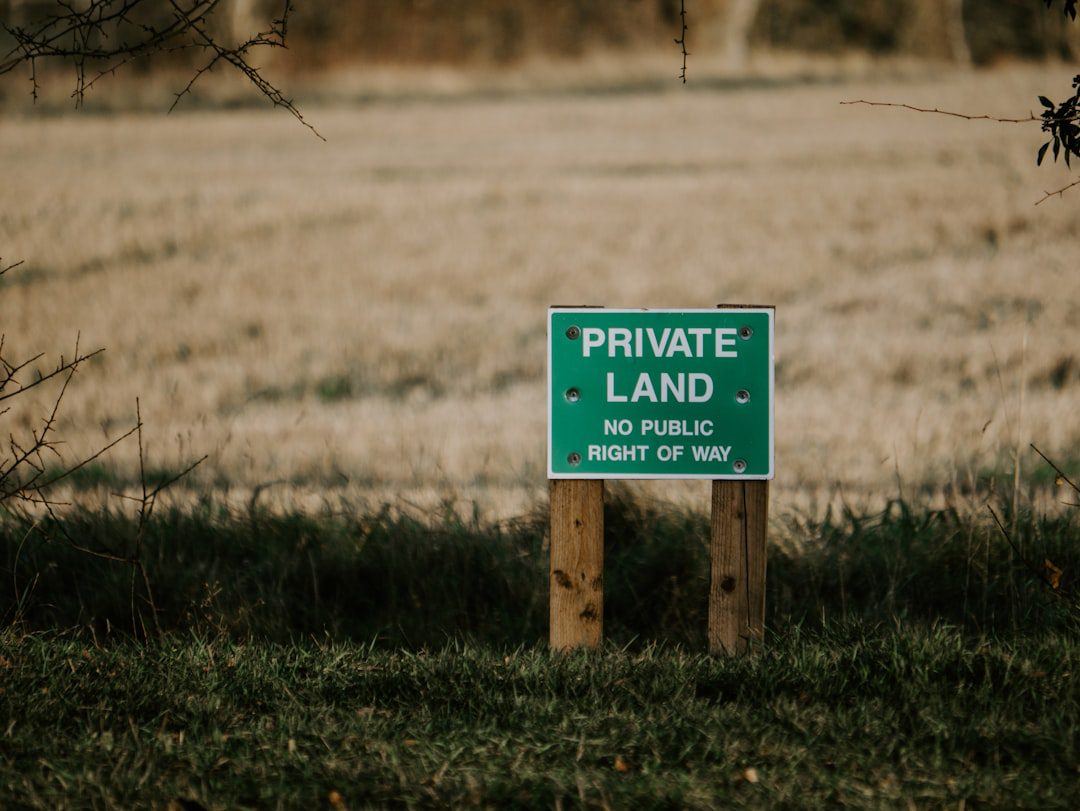
A civil servant in Nyeri once described his land-banking approach in one sentence: “I bought it, fenced it, and forgot about it for eight years.” That’s not a slogan — it’s roughly the whole strategy. Land banking is one of the least glamorous investment approaches available to Kenyan buyers, and one of the more reliable, provided the boring parts actually get done.
Why Land Banking Works in Kenya
Kenya’s urban and peri-urban areas have consistently seen land values rise as infrastructure, population, and county development plans expand outward from city centers. Land near growth corridors — new roads, expanding towns, resort or tourism zones — tends to appreciate faster than land far from any development activity.
Choosing Land to Bank
Not every plot makes a good land-banking asset. Look for:
- Growth trajectory, not just current price. A cheaper plot in a stagnant area can underperform a pricier plot on a genuine growth corridor.
- Clean title. Land you plan to hold for years needs an unambiguous, verifiable title from day one — problems compound the longer they sit unresolved.
- Low holding costs. Freehold land generally has lower ongoing obligations than leasehold; see our comparison of Kenyan land tenure systems.
- Realistic exit options. Land in a titled, subdivided, serviced development is easier to resell later than raw, unsurveyed acreage.
A Worked Example
Two buyers each purchase a plot for KES 1.5M. One picks a titled, serviced plot in a documented growth corridor and does nothing further for eight years beyond paying annual land rates. The other picks a cheaper, unserviced plot in an area with no visible infrastructure momentum, hoping for similar returns. The first buyer’s plot appreciates steadily, tracking the corridor’s development; the second buyer’s plot may barely move, because “land generally appreciates” is true on average, not for every individual parcel regardless of location.
Land Banking vs. Building Immediately
Some buyers land bank by default — they buy with the intention to build, but life gets in the way. Others do it deliberately, treating land the way others treat a fixed deposit: buy, do nothing, and let time work. Our guide to passive income ideas from land investment covers a middle path — earning from the land while you wait for it to appreciate.
Land banking’s biggest risk isn’t the market — it’s neglect. Unfenced, unvisited land is more exposed to boundary disputes and encroachment than land an owner checks on periodically.
Risks to Manage
- Illiquidity — land can take time to sell when you actually need the cash
- County land rates and, where applicable, land rent accruing over the holding period
- Boundary disputes on land left unfenced and unvisited for long stretches
FAQ
How long should I plan to hold a land-banked plot?
Most land banking strategies work on a five-to-ten-year horizon or longer — shorter timelines are closer to flipping, which carries a different risk profile.
Do I need to visit my land-banked plot regularly?
Yes, periodically — even an occasional visit or a trusted local contact checking in helps catch fencing damage or boundary issues before they become disputes.
Getting Started
The plots that make the best land-banking candidates are usually the ones already showing early growth signals — new roads, nearby developments, or rising interest from other buyers. Famyard Enterprises’ plots across Nyeri and Laikipia counties sit in several such corridors. See our land investment ideas guide for more on matching a strategy to your budget and timeline.