Real Estate Insights
How to Fence and Secure an Undeveloped Plot
1 min read

A plot you’re not building on immediately doesn’t need to sit unprotected. Securing undeveloped land — whether you’re land banking, farming, or simply waiting to build — protects against boundary encroachment, illegal dumping, and in some cases, disputed occupation claims.
Why Fencing Matters Even Before You Build
- Prevents boundary disputes. Clearly marked, fenced boundaries reduce the risk of neighboring encroachment over time.
- Deters illegal use. Unfenced, unmonitored land can attract dumping, informal grazing, or in rare cases, squatting.
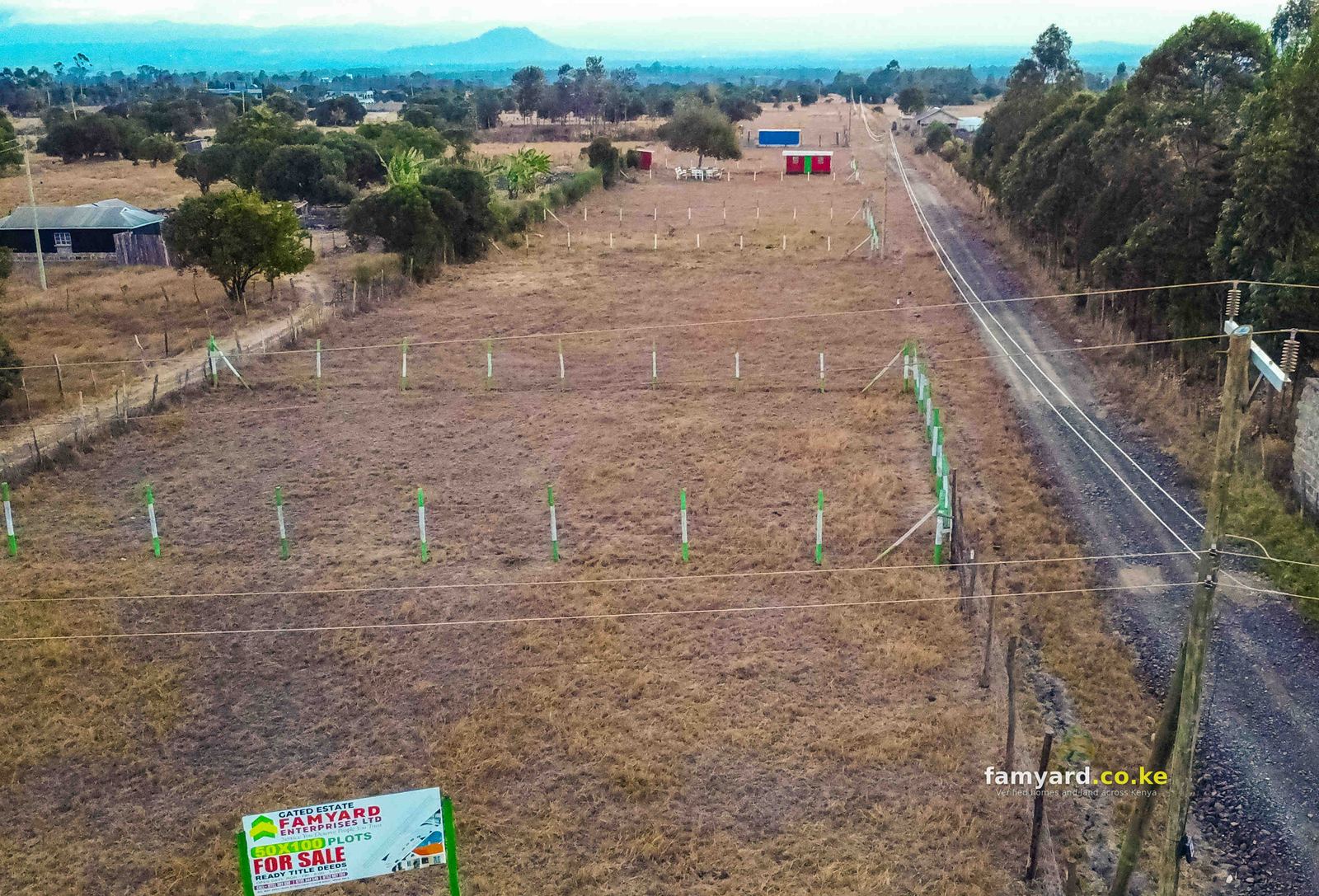
- Confirms beacon positions visibly. Fencing along surveyed beacons creates a physical, ongoing confirmation of your plot’s legal boundaries.
Common Fencing Options
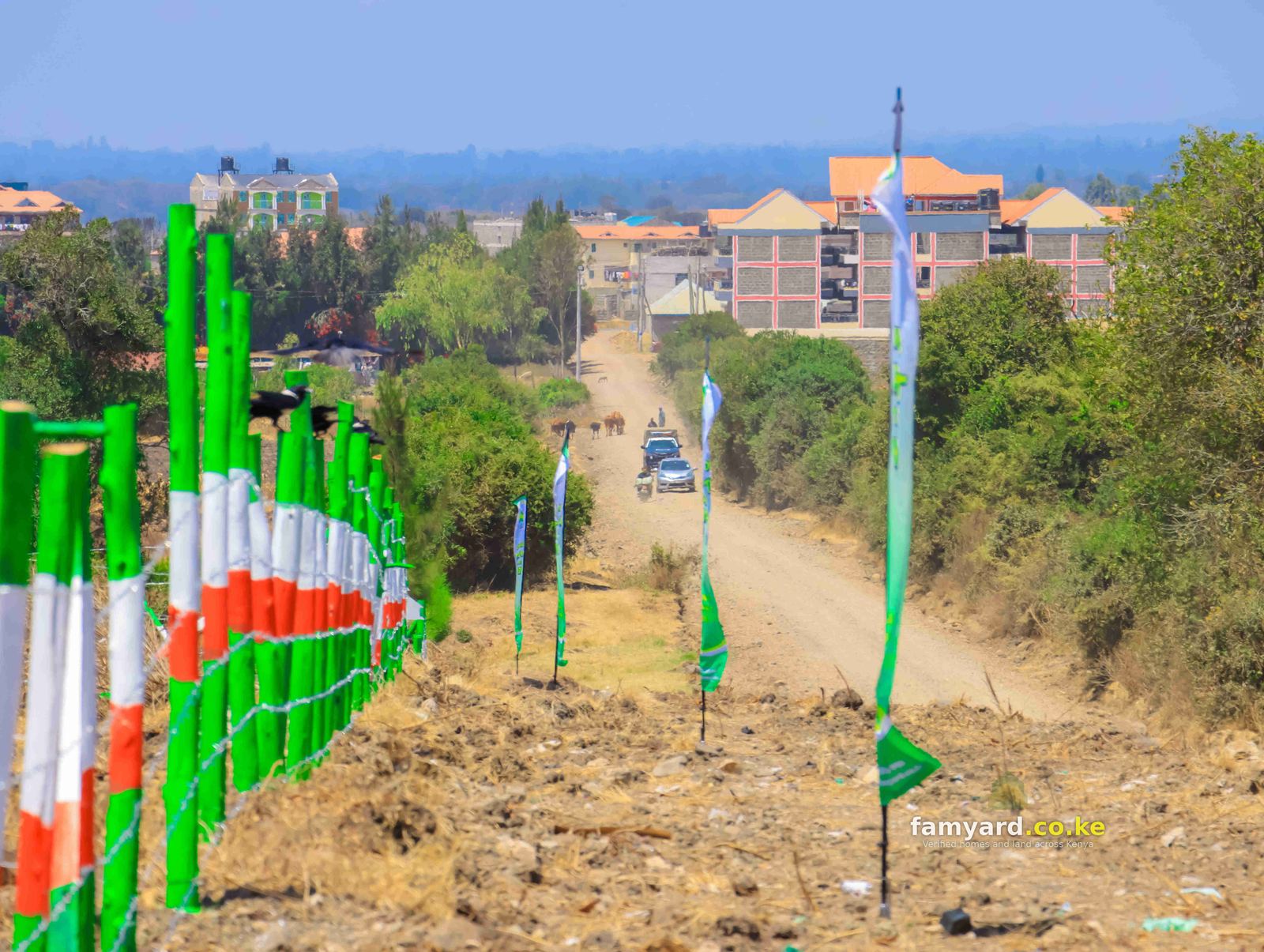
- Live fencing (hedges). Lower cost, provides some deterrent, but takes time to establish and offers less physical security than other options.
- Chain-link or wire fencing. A common mid-cost option offering clear boundary marking and reasonable security.
- Perimeter walls or electric fencing. Higher cost but stronger security, more common in developed or higher-value areas — an approach used in developments like Chaka Ranch Homes.
Regular Site Visits Still Matter
Fencing alone doesn’t replace periodic visits — checking on the plot regularly (personally or through a trusted local contact) helps catch issues like fence damage or boundary disputes early, before they become harder to resolve.
Bottom Line
Securing an undeveloped plot is a relatively small ongoing investment that protects a much larger one — treat fencing as part of responsible land banking, not an optional extra reserved only for developed property.